Find out our Services and organized counselling


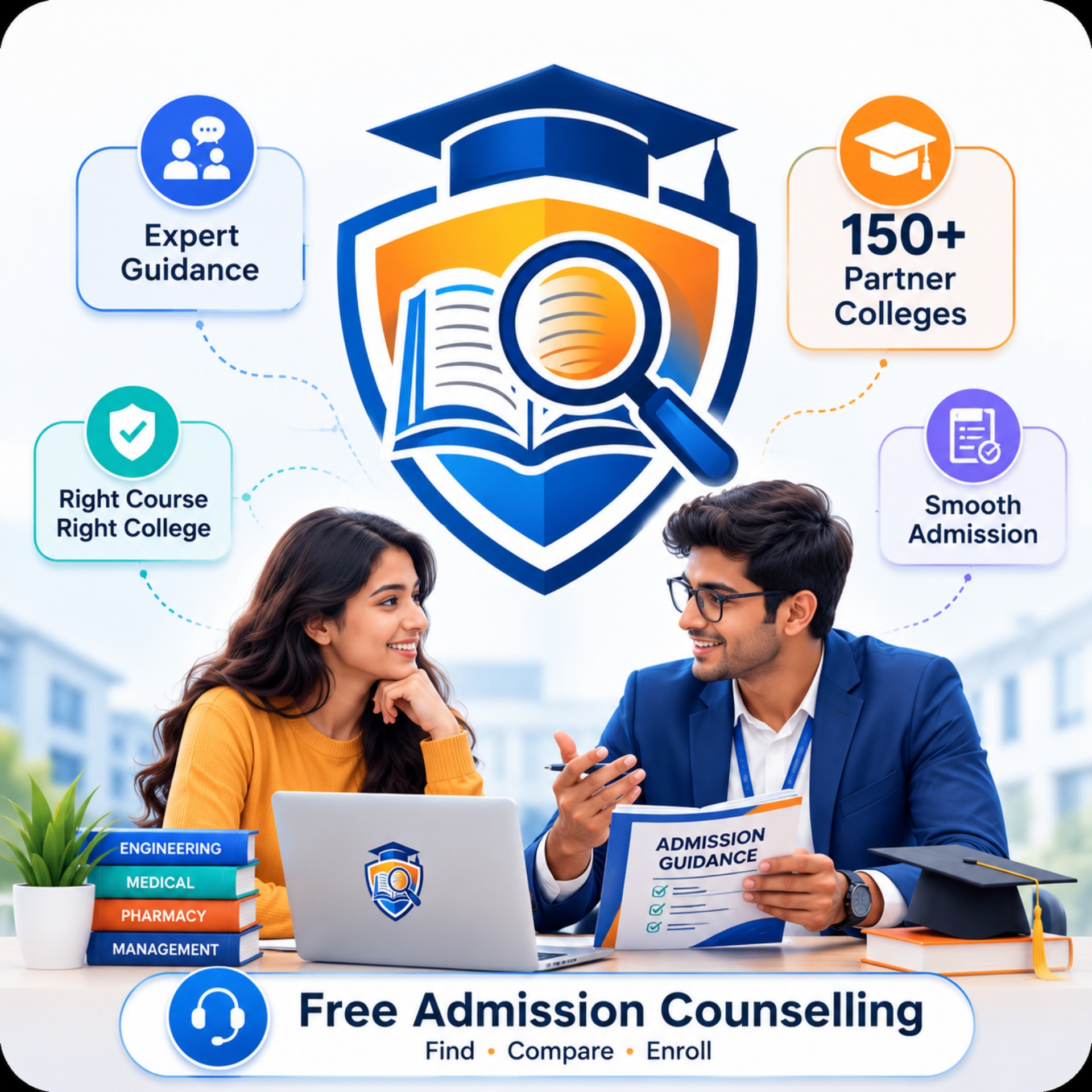
Our counselors provide personalized roadmaps to help you navigate complex admission processes with ease and confidence.
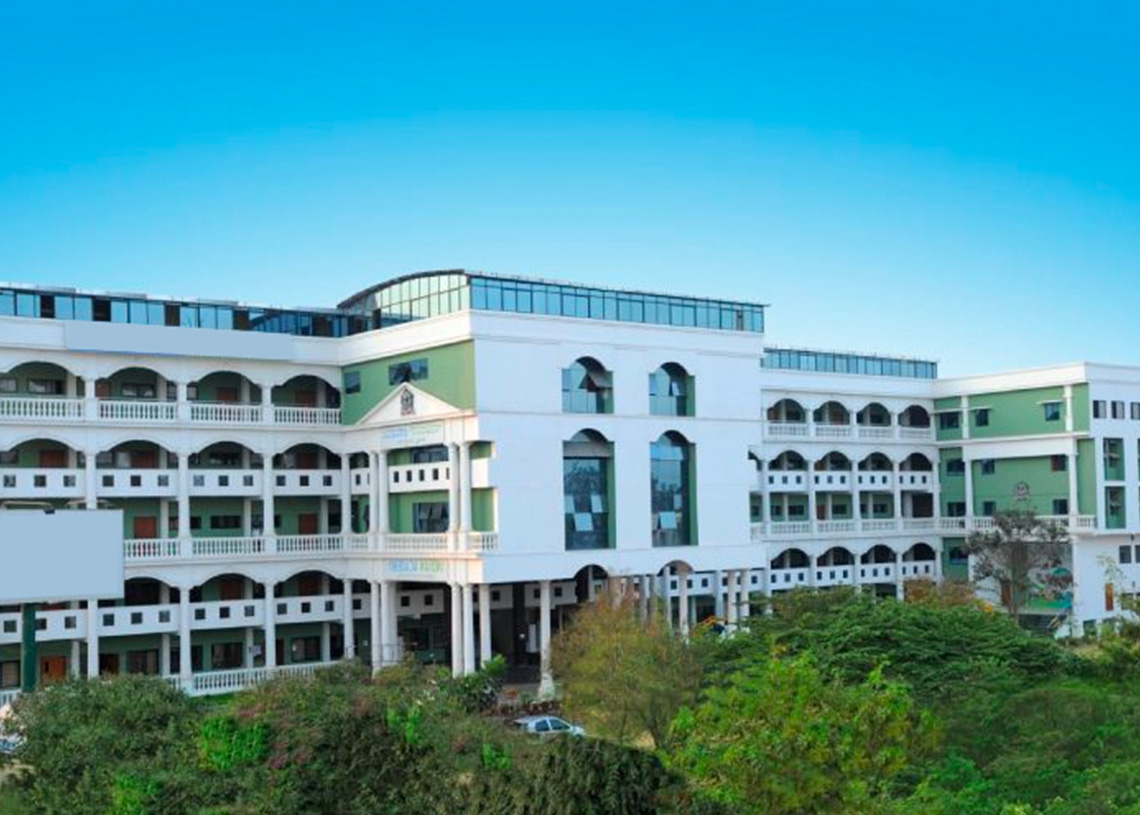
Get exclusive access to top-tier engineering, medical, and diploma colleges recognized globally for academic excellence.
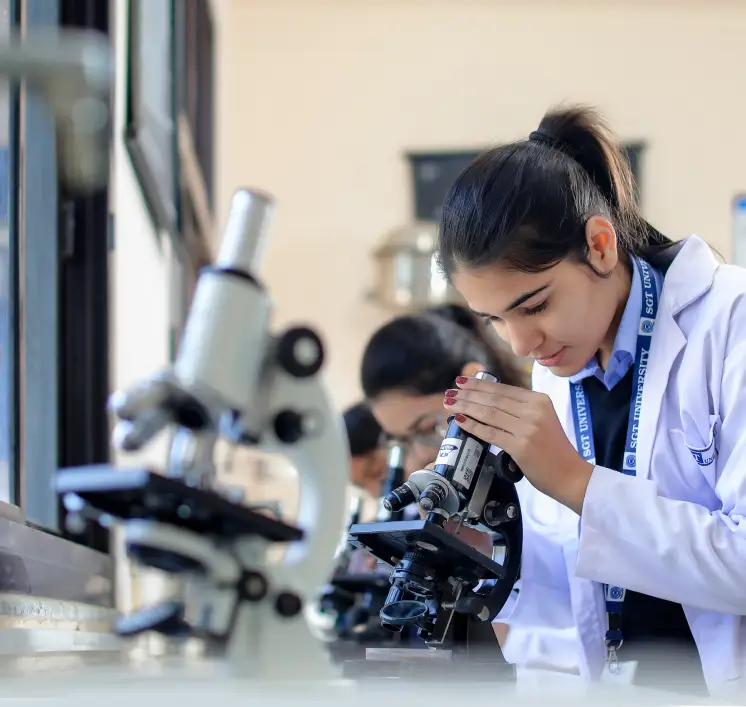
We use data-driven insights to match your profile with the perfect college, ensuring higher success rates and better careers.
We prioritize institutions with strong industry tie-ups and proven placement records to secure your professional future.
Explore our latest articles and updates crafted to keep you informed, inspired, and engaged. From expert tips to trending insights, discover content that adds real value to your journey.
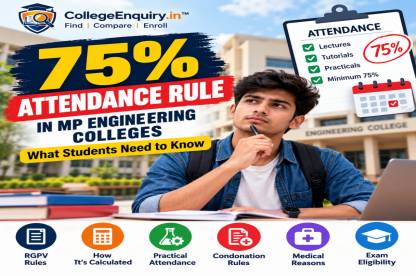
75% attendance rule in MP engineering colleges, including RGPV attendance requirements, practical at...
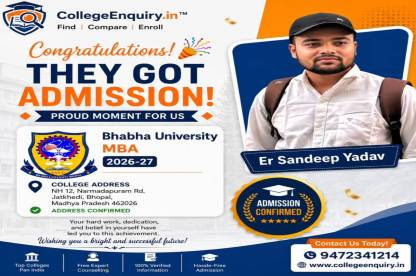
CollegeEnquiry.in is helping students find, compare and enroll in colleges and courses according to ...
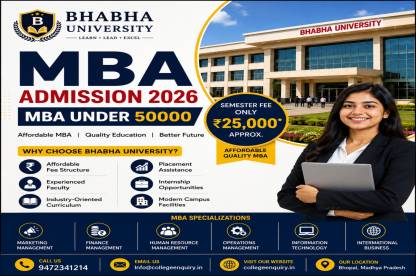
Looking for an affordable MBA in Bhopal? Explore Bhabha University MBA Admission 2026 with complete ...

“My name is Manish Yadav, and I am a B.Tech CSE student at IES College Bhopal. CollegeEnquiry.in provided me with genuine guidance and full support during my admission process. It is a very helpful and trusted platform for students.”
“My name is Prawez Alam Ansari, and I am a First Year B.Pharm student at RadhaRaman College of Pharmacy Bhopal. CollegeEnquiry.in provided me with genuine guidance and full support during my admission process. It is a very helpful and trusted platform for students.”
"After my bsc, I wasn't sure about my next steps. The mentors at CollegeEnquiry provided end-to-end support, helping me transition into a professional degree program with confidence. Their 9 years of experience in the Bhopal region and beyond makes them the go-to experts for any student."
"As a parent, I was worried about the 'hidden' aspects of the admission process. What I appreciated most about CollegeEnquiry was their commitment to transparency. They walked us through the entire process, from documentation to final fees, with absolute honesty."
"I was overwhelmed by the countless counseling rounds for B.Tech, but CollegeEnquiry made it seamless. Their team helped me understand which specialization suited my profile best. Today, I’m at a top-tier engineering college, all thanks to their 9+ years of expertise in the field."